Send the rough facts, even when the project is incomplete.
A phone video of the ore and a short message are enough to begin. I will tell you which missing facts can change the flowsheet and which details can wait.
Prepare a project briefOre-led process review Gold, tin, tungsten and chrome / 5–100 TPH
Start project review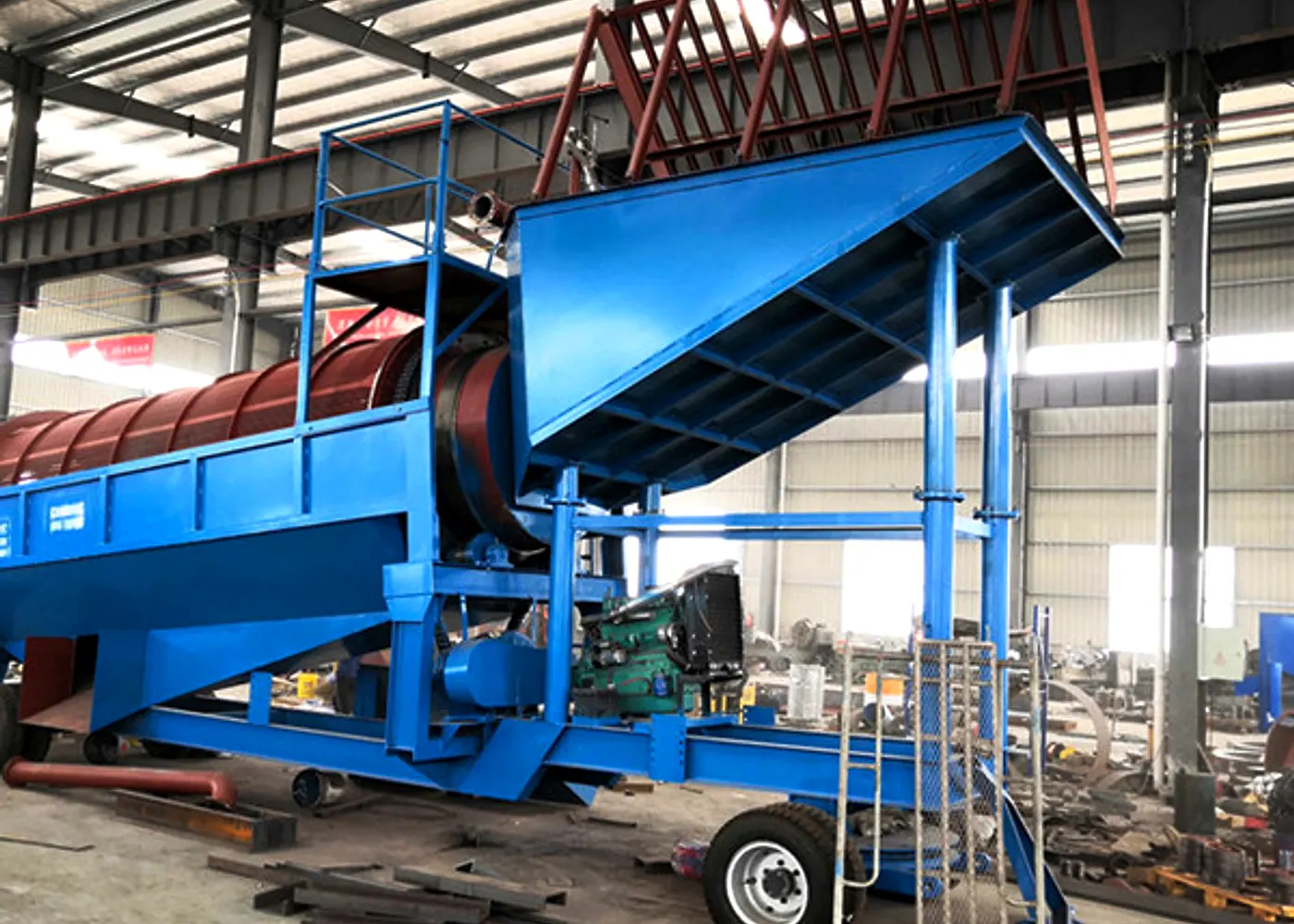
Workshop evidence Authorized workshop reference: gravity concentration equipment prepared for delivery.
We assess the ore, test the recovery route and coordinate the equipment around the flowsheet for practical 5–100 TPH mineral processing projects.
You are not dropped into an equipment catalog. A process reviewer checks the ore facts first, then asks for the missing details before suggesting a practical route.
A phone video of the ore and a short message are enough to begin. I will tell you which missing facts can change the flowsheet and which details can wait.
Prepare a project briefOre type, country, target TPH, feed size, photos, videos and any test or assay notes.
Clay, water, power, existing equipment, project stage and where valuable mineral may be lost.
Usually within one business day: likely flowsheet, missing data, test needs and equipment duties.
Gold is our primary focus. Tin, tungsten, chrome and other dense minerals are assessed through the same gravity concentration discipline.
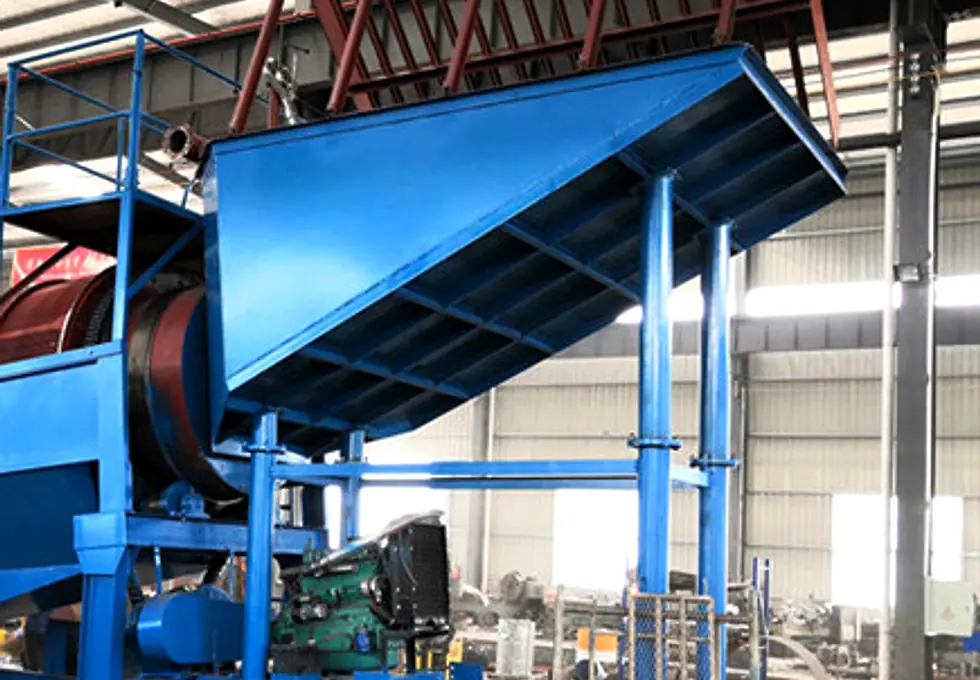
Washing, sizing and staged gravity recovery for free-washing or clay-rich placer material.
View solution →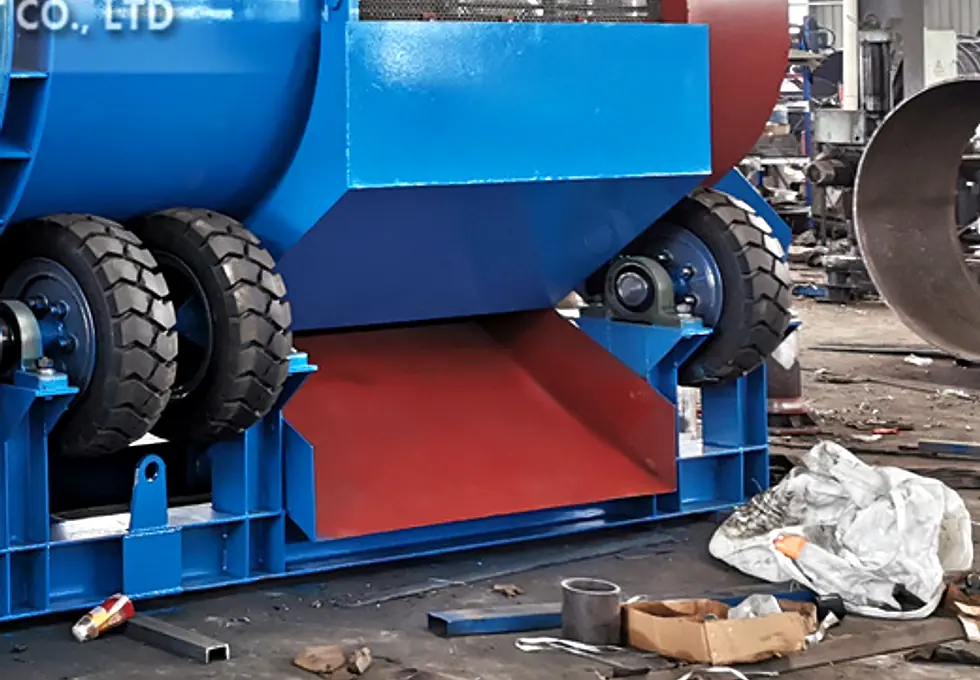
Crushing, grinding and test-led recovery routes built around liberation and mineralogy.
View solution →Gravity circuits designed around cassiterite liberation, slime control and staged recovery.
View solution →Process routes for coarse and fine scheelite or wolframite recovery with controlled classification.
View solution →Washing, classification and gravity separation for chromite-bearing ore and tailings.
View solution →Gravity concentration assessments for tantalum-niobium, manganese, ilmenite, zircon and other dense minerals.
View solution →The level of detail grows with the project. Initial direction is free; detailed design, calculations and drawings are scoped separately and may be credited against an equipment order.
Review the ore, capacity, location and project stage.
Use representative samples to check gravity response and losses.
Define the flowsheet, operating logic and equipment roles.
Manage manufacturing, quality checks and project interfaces.
Prepare packing, documentation and export shipment.
A few real workshop views are enough for the first version. When your own approved project photos are ready, these can be replaced one by one without changing the page structure.
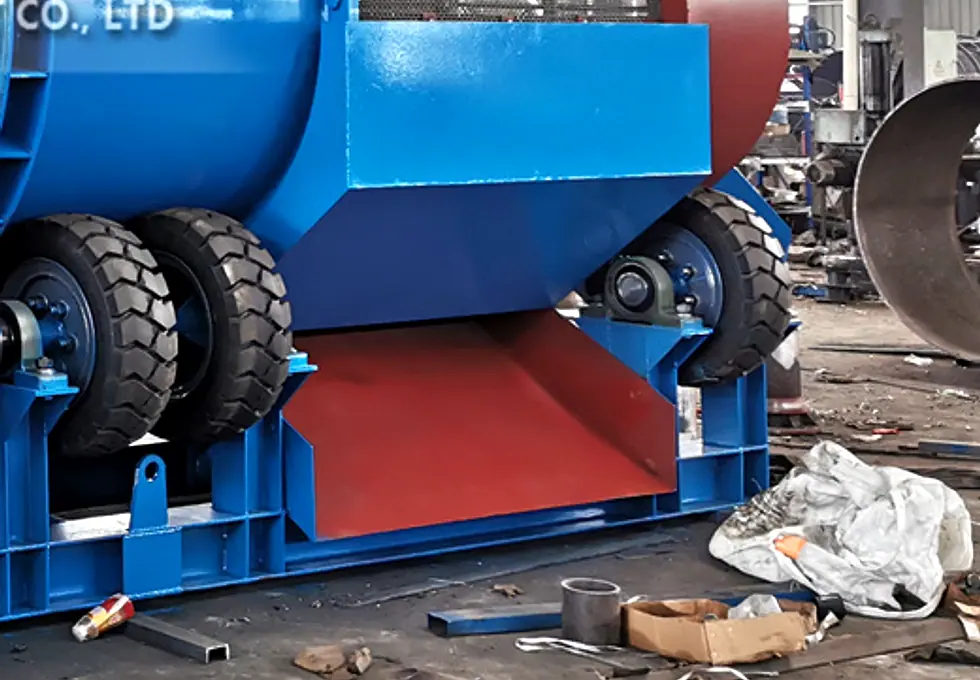
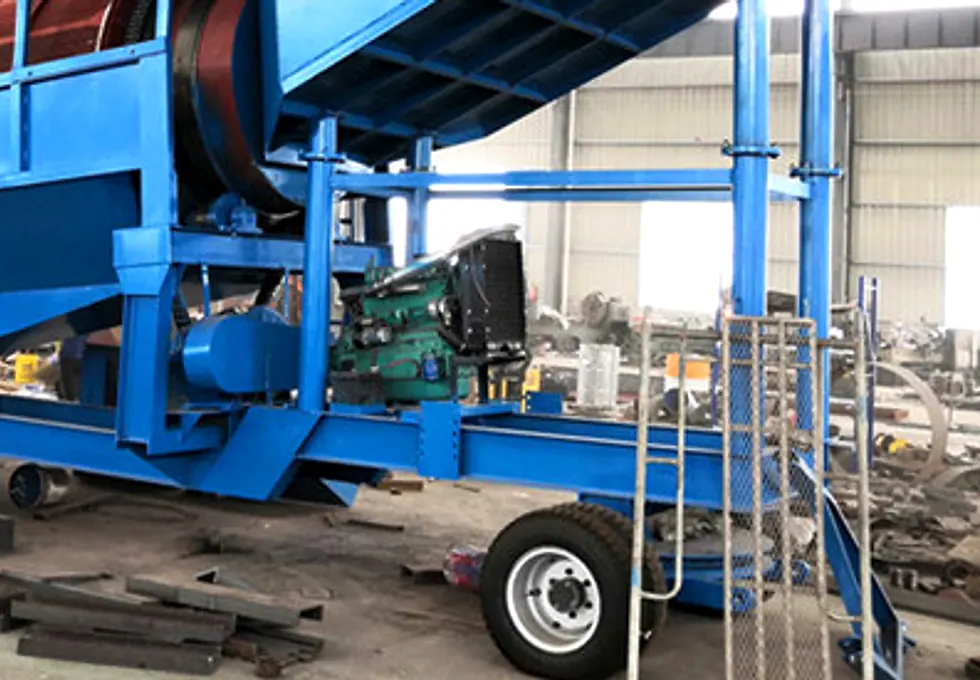
If the ore facts are unclear, the first answer should be a test route, not a full equipment list. Gravity test work, size checks and simple loss observations usually show which section needs attention first.
How testing informs the flowsheetThese case notes show how a project is read: ore condition first, then process route, then equipment duty. Use the closest case as a starting point for your own enquiry.
A medium-small rock gold reference case focused on fine gold recovery, water circulation and a low-civil-work gravity route without a ball mill.
Send similar ore photos and I will check what data is still missing.A high-throughput alluvial gold reference case for explaining screening, scrubber washing, gravity recovery and concentrate handling decisions.
Send similar ore photos and I will check what data is still missing.A standard hard-rock gold reference case covering feeding, crushing, grinding, gravity concentration and smelting support.
Send similar ore photos and I will check what data is still missing.