- Placer, river, beach or eluvial material containing liberated gold
- New wash plants and existing lines that are losing gold in a known size fraction
- Projects where washing, screening, water and tailings conditions can be defined
Placer and alluvial gold
Alluvial Gold Processing
Your route starts with clay behavior, feed size and the gold size distribution.
Washing, disaggregation, classification and staged gravity recovery designed around clay content, gold size distribution and available water.
Manual process review
I first check whether the gold can reach a gravity separator in a clean, classified and stable feed.
First reply within one business day Before a machine model
Check whether this route fits the ore.
The mineral name is only the starting point. These conditions decide whether this page is relevant or whether another test route is needed.
- Sticky clay does not disperse during simple washing
- A meaningful share of the gold is very fine or attached to other minerals
- Water supply or settling area cannot support the proposed washing duty
Three-question route check
Tell me how the material behaves.
These answers do not produce a final plant design. They help us identify the likely process direction, the missing evidence and the first risk worth checking.
1 clay 2 feed size 3 gold size
A wash plant is a materials-handling system first
Alluvial gold may already be liberated, but that does not make the flowsheet automatic. The plant still has to release particles from clay, reject uncontrolled oversize, classify the useful fractions and maintain a steady water and solids balance.
The first design question is therefore not “Which concentrator should I buy?” It is “What prevents the gold from reaching a concentrator in a recoverable condition?”
Free-washing material and sticky clay need different routes
Free-washing gravel may need controlled feeding, screening and staged gravity recovery. Sticky clay can require longer retention, more attrition and careful management of slimes. Adding more water alone does not always solve disaggregation, and aggressive washing can create excessive fine material that becomes difficult to recover or settle.
Representative bulk samples and simple size-by-size observations are often more useful than a single head-grade number. The test program should identify where the gold reports, what proportion is visually liberated and which size fractions carry the losses.
Design around operating reality
A practical route also accounts for seasonal water, generator capacity, excavator feeding, operator skill, spare-parts access and tailings placement. Modular equipment is valuable only when the modules form a balanced circuit.
Initial online guidance can define the likely route and missing data. Final equipment selection should follow representative material testing and confirmation of site conditions.
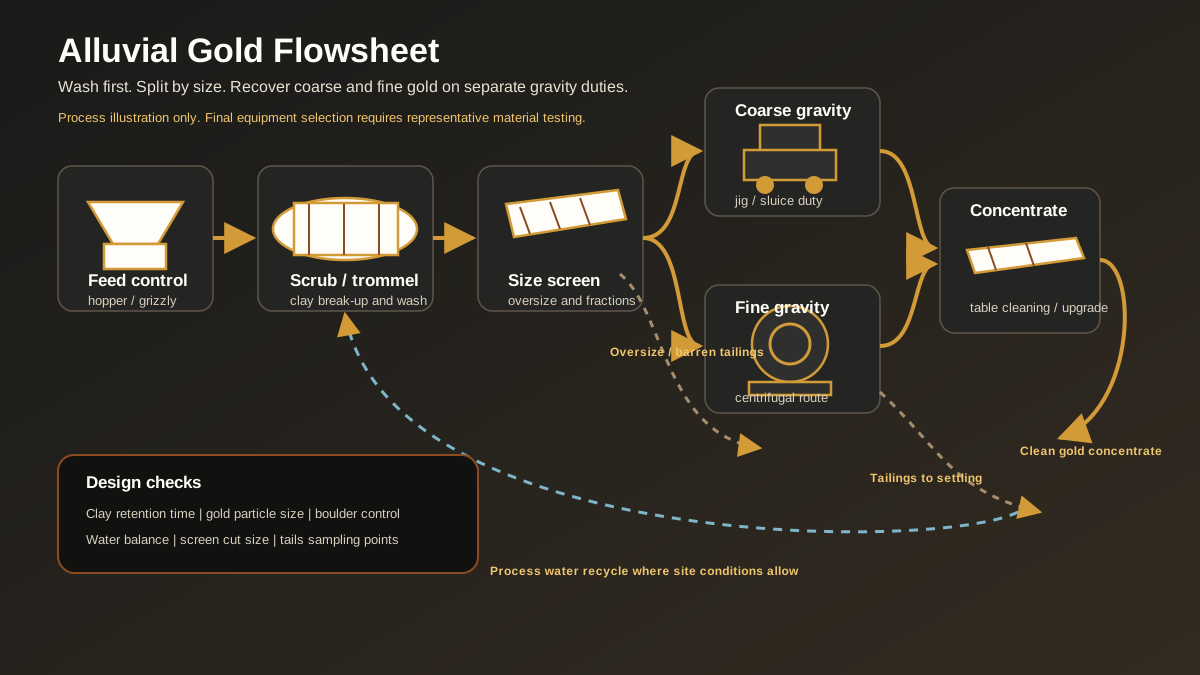
Typical process logic
Open each stage to see the duty it performs. Test data can remove, add or change a stage before equipment is sized.
01 Feed preparation
Control oversize rock and deliver a stable feed without crushing naturally liberated gold unnecessarily.
02 Washing and disaggregation
Break down clay-bound material so valuable particles can reach the classification and recovery stages.
03 Size classification
Split the feed into ranges that can be treated efficiently instead of forcing one separator to handle every particle size.
04 Primary gravity recovery
Recover the bulk of liberated gold with equipment selected for the actual feed size and solids rate.
05 Fine-gold scavenging
Re-treat the appropriate fine fraction when test work shows recoverable fine gold remains in the primary tailings.
Why equipment appears in the route
These are process duties, not a shopping list. Feed conditions and mass flow decide whether a machine belongs in the final scope.
Grizzly or feed hopper
Protects downstream equipment from uncontrolled boulders and regulates the feed rate.
Scrubber or trommel
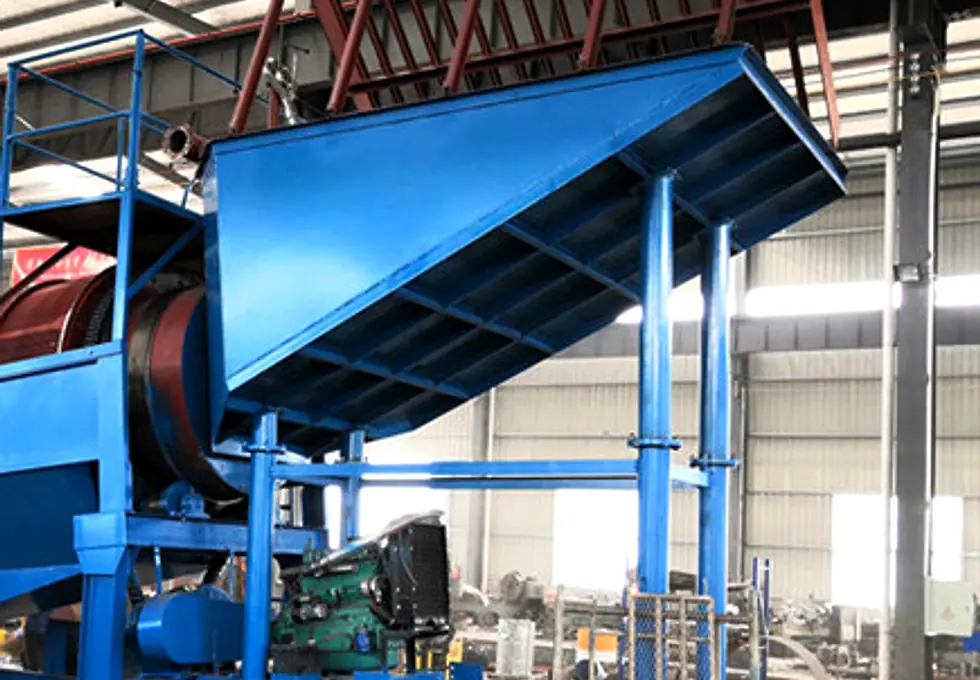
Provides washing, attrition and initial sizing; selection depends on clay behavior rather than plant appearance.
Jig or sluice
Treats suitable coarse and medium fractions where particle size and density contrast support efficient recovery.
Centrifugal concentrator
Targets fine liberated gold in a controlled size fraction and should not be used as a substitute for proper classification.
Case notes to compare with your ore
A reference case shows how a previous scope was reasoned. It is not a design recommendation for a different deposit.
Romania 20 TPH
Romania 20 TPH Alluvial Gold Gravity Recovery Reference
A compact alluvial gold reference case where the client already had front-end site equipment and needed a short gravity recovery section for fine sand.
Compare project conditions East Africa Region 200 t/h
East Africa 200 TPH Alluvial Gold Washing Reference
A high-throughput alluvial gold reference case for explaining screening, scrubber washing, gravity recovery and concentrate handling decisions.
Compare project conditionsFrequently asked questions
Can one standard wash plant treat every alluvial deposit?
No. Clay, boulder content, gold size distribution, water and feed variability determine the washing duty, classification sizes and recovery stages.
Do I need a centrifugal concentrator?
Only when representative testing shows recoverable fine liberated gold in a suitable size range and the feed can be classified and controlled.
What information is needed for an initial review?
Target capacity, feed size, clay behavior, known gold size or test results, water conditions, project country and photos or videos of representative material.
Send the ore facts before we size the alluvial gold processing route.
Share the mineral, target capacity and what you already know about the feed. We will review the project within one business day.